
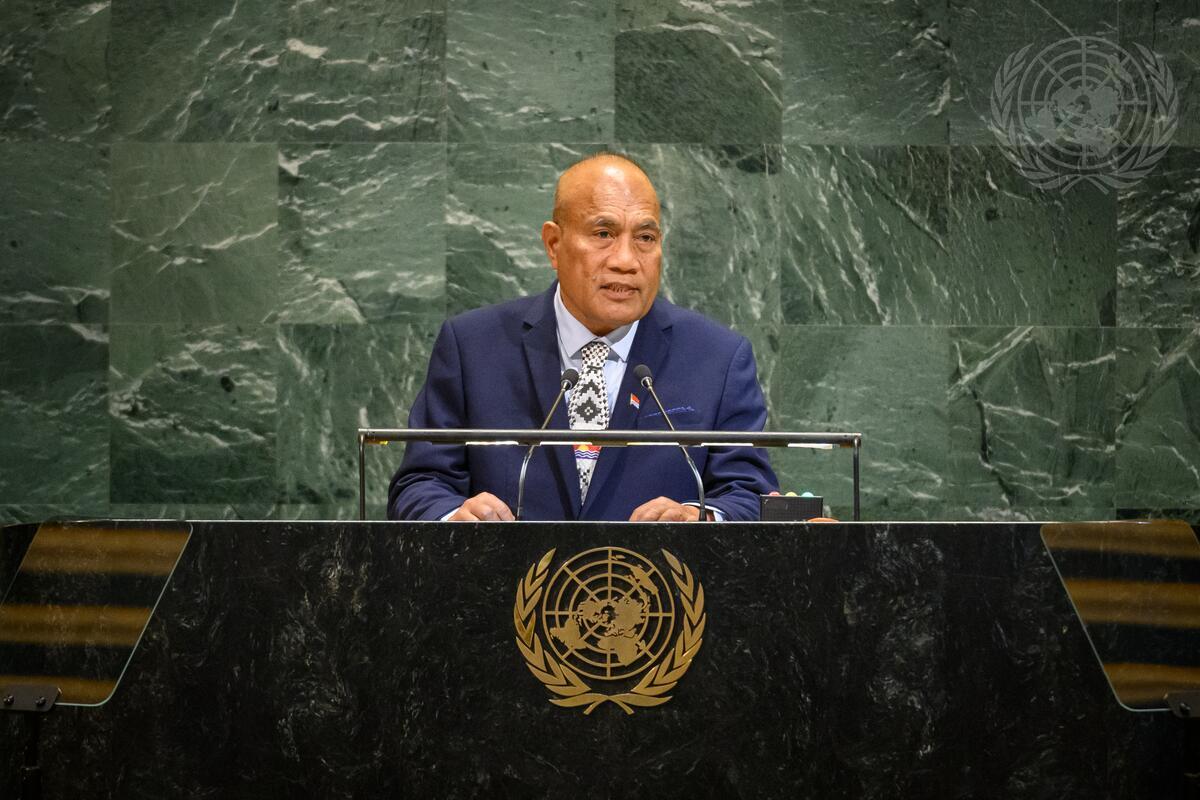
Kiribati President Taneti Maamau has told world leaders at the 80th session of the United Nations General Assembly (UNGA80) that his nation refuses to be defined by rising seas, calling for urgent global action to address the worsening climate crisis.
“Kiribati faces climate challenges but remains resilient. While some narratives claim our islands are sinking, we have traditional and modern strategies to adapt and thrive,” President Maamau said in his national statement.
He urged the international community to hold the line at 1.5°C of warming and to support frontline states through the Loss and Damage Fund.
“Our efforts, aligned with international climate goals, focus on building resilience, protecting livelihoods, and preserving our culture,” he said.
Maamau welcomed the recent ruling by the International Court of Justice (ICJ)affirming the permanence of maritime zones despite the impacts of climate change, calling it “firm hope and assurance that Kiribati and other vulnerable countries will continue to exist in light of climate change impacts.”
On governance and security, Maamau said Kiribati has strengthened systems in the capital and outer islands to improve accountability and service delivery, while also contributing to international peace and security through support for the Treaty on the Prohibition of Nuclear Weapons.
“We fully support the United Nations’ push for a world free of nuclear weapons and are committed to addressing man-made disasters like dumping of nuclear waste and radio water discharges,” he said.
The president also highlighted economic and environmental vulnerabilities that small island states face, urging recognition of the Multidimensional Vulnerability Index (MVI) to improve access to development support.
Kiribati, he said, is prioritising its ocean resources, combating illegal fishing, and supporting the BBNJ Agreement.
“IUU fishing causes over US$600 million annual loss, a moral and economic injustice that could fund universal child health care,” Maamau said.
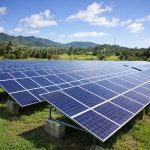
He reaffirmed Kiribati’s commitment to renewable energy and sustainable development, citing investments in solar power to reduce dependence on imported fuel.
“Access to sustainable and renewable energy is fundamental to advancing development and resilience,” he said.
Maamau also stressed the importance of education, youth, and women in building stronger communities.
He announced plans to improve healthcare delivery with sea ambulances and advanced medical services to reduce overseas referrals.
On financing, the president called for reforms to ensure equitable access for vulnerable states.
He highlighted the Pacific Resilience Facility (PRF), with US$162 million already pledged, as a model of regional ownership.
“Equitable and predictable development financing is vital for Kiribati’s future,” Maamau said.
“We await the UN Financing for Development Conference, hoping it provides concrete solutions to improve access to finance for those in need.”
The Kiribati leader also reaffirmed the importance of multilateralism.
“By embracing cooperation, solidarity, and multilateral engagement, we can shape a future in which all nations, particularly the most vulnerable, can thrive and prosper.
“Te Mauri, Te Raoi ao Te Tabomoa – Abundant Health, Peace and Prosperity,” he said.