


The Pacific has emphasised the urgent need for the Belem Health Action Plan to address climate change challenges in Western Asia and the Pacific.
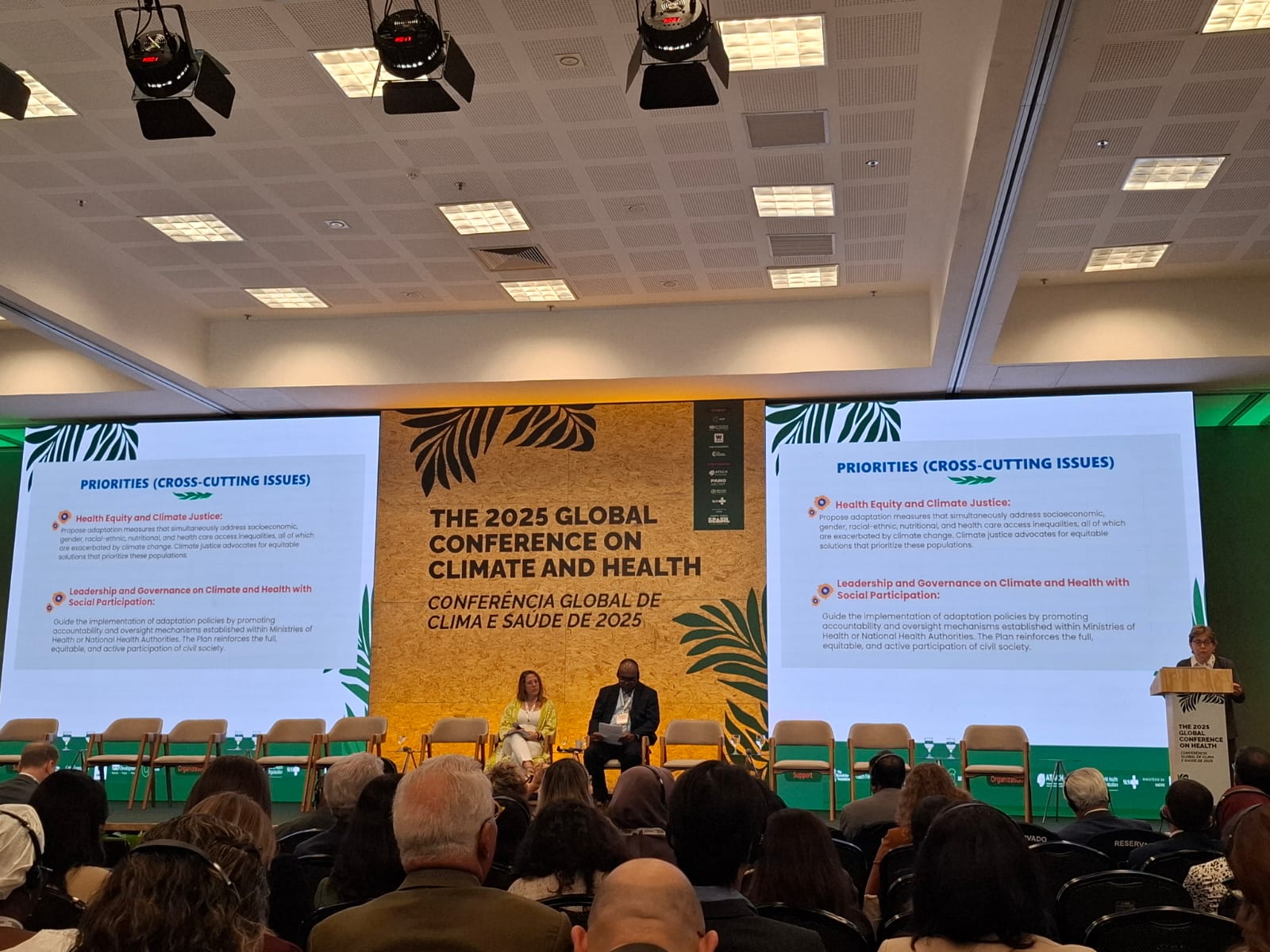
Speaking on behalf of the region at the 2025 Global Conference on Climate and Health, the Minister for Health and Medical Services, Dr Ratu Atonio Lalabalavu highlighted the responsibility of health systems to protect vulnerable populations as climate change escalates.
Minister Lalabalavu said the Belem Health Action Plan must align with existing initiatives like the WHO Global Action Plan and the COP28 Declaration while avoiding overlapping frameworks that could weaken its impact.
An inclusive and transparent consultation process is vital, allowing Member States to contribute meaningfully to the plan’s development.
Cross-sector collaboration is necessary, embedding health considerations into policies ranging from urban planning to agriculture. The advocate urged for clearer connections between reducing tobacco use and building resilience to climate extremes.
The commitment to equity within the plan should extend to gender-responsive policies and the inclusion of Indigenous Peoples, marginalised communities, and persons with disabilities. Additionally, leveraging traditional knowledge systems in the Pacific and addressing the needs of migrant workers in Western Asia are crucial for comprehensive climate adaptation
Investment in interoperable early warning systems is essential. The Pacific’s successful integration of meteorological and health data could serve as a model for Western Asia to monitor related health issues effectively .
Minister Lalabalavu called for the prioritising of vector-borne and neglected tropical diseases, urging the use of digital health innovations and sustainable infrastructure to bolster resilience in underserved populations.
He said the integrating the Belem Plan into Nationally Determined Contributions (NDCs) and national health plans is critical, alongside regional cooperation to ensure no country is left behind. The time to act on climate justice and health equity is now.
Dr Lalabalavu said the World Health Organisation (WHO) Regional Office, through its Asia-Pacific Centre for Environment and Health and the Division of Pacific Technical Support, is actively supporting countries in building climate-resilient and sustainable health systems.
Initiatives include infrastructure enhancements at health facilities, improving water, sanitation, and hygiene (WASH) services with UNICEF support, and the installation of solar energy systems in nearly 38 healthcare facilities. More than 1,500 healthcare workers are being trained as part of these efforts, backed by collaborations with the Korea International Cooperation Agency (KOICA), Cure Kids, and others.
Dr Lalabalavu said a significant event on the horizon is the Inaugural Western Pacific Action Forum on Climate-Resilient and Sustainable Health Systems, set to convene in Singapore this September.
Fiji is also collaborating with WHO to weave climate and weather data into disease surveillance systems, which is essential for managing climate-sensitive diseases like dengue and leptospirosis.
This partnership is indicative of Fiji’s commitment to developing climate-informed health systems and enhancing early warning capabilities. As a member of the Pacific Network for Health and Climate Change, Fiji is working towards accelerating action on these pressing issues.
The Pacific region is welcoming WHO’s efforts on the ACE Financing and Investment Tool (ACE-FIT), which aids countries such as Kiribati and Cambodia in identifying and securing climate finance for healthcare. Initiatives aimed at sustainable food procurement are being explored, aligning climate goals with nutrition and public health.
Fiji’s leadership is also making an impact on the global stage, contributing to essential evidence and advocacy through the new Lancet Commission on Sea-Level Rise, Health and Justice. This initiative aims to amplify the voices of Pacific nations and generate vital evidence for forthcoming international conferences like COP31 and COP33.
As an essential point for ATACH, Fiji highlighted three critical roles: supporting the implementation of the Belem Health Action Plan, aligning monitoring efforts with national and regional priorities, and advocating for a regionalised approach that addresses the unique vulnerabilities of the Pacific. Ensuring that the voices of these communities are heard and that access to climate and health financing is prioritized will be pivotal for future resilience.
With the right support, Fiji believes the Pacific region can lead the world in demonstrating how climate action benefits health, while also reinforcing health as a driver for climate ambition. The time for action is now, and the call is clear: a transformative approach is essential to safeguard health and wellbeing in the face of climate change.