
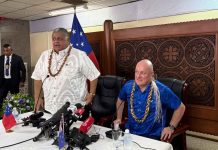

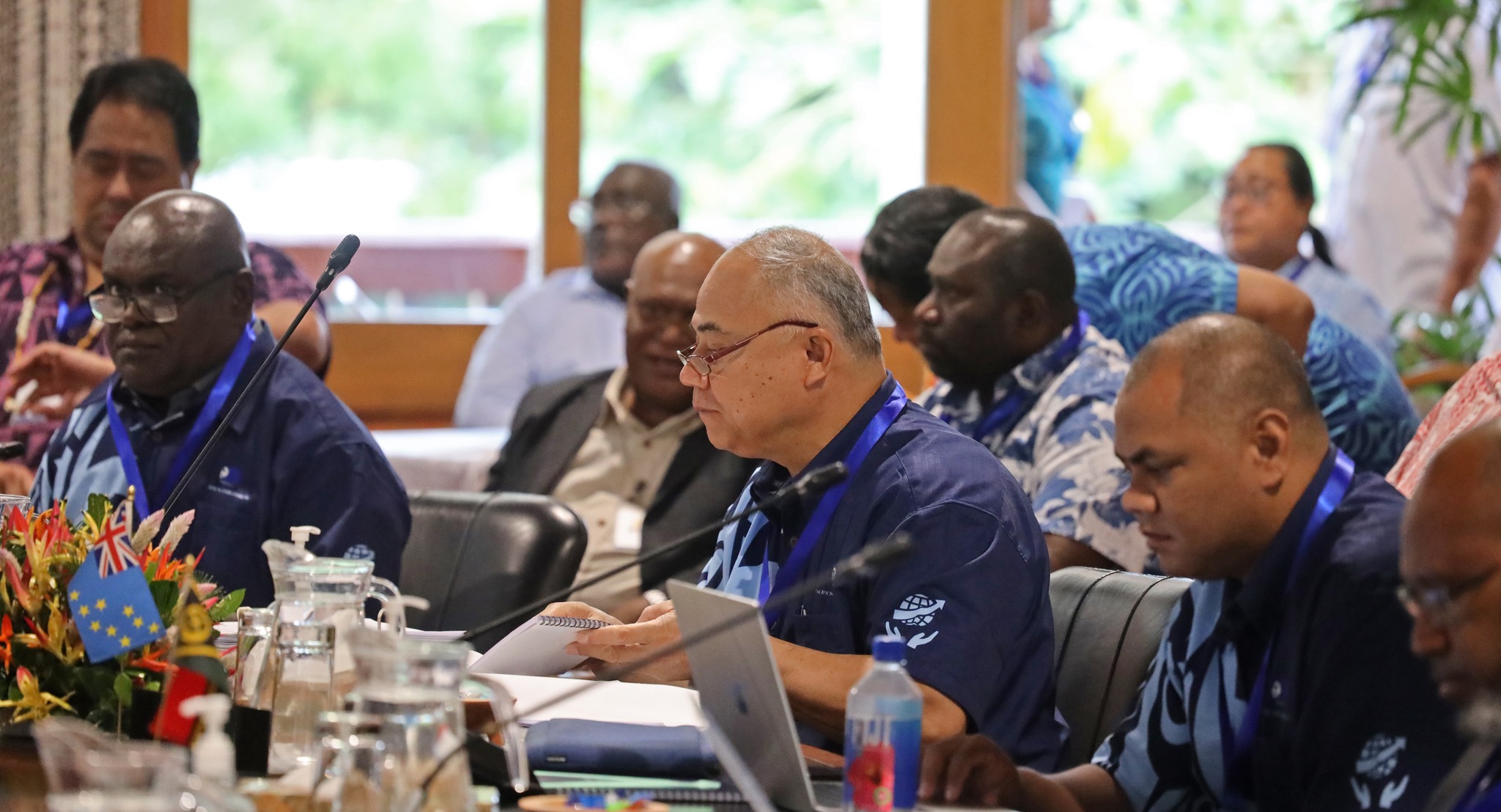
The Chair of the Forum Economic Ministers Meeting (FEMM) and Tongan Prime Minister, Dr Aisake Eke, has urged Pacific nations to work together to tackle rising economic and geopolitical challenges, calling for stronger regional cooperation, public-private partnerships, and support for vulnerable island economies.
He encouraged ministers to take advantage of cross-sectoral collaboration.
“I urge our Forum Economic Ministers and Forum Women Leaders to embrace this opportunity as a good example of regional cooperation and a cross-sectoral model that should be encouraged at other Forum meetings and those convened by CROP agencies.”
This year’s theme, “Stronger Together: Advancing Economic Resilience and Sustainable Future in the Pacific”, closely aligns with the theme of the upcoming Pacific Islands Forum Leaders Meeting, “Iumi Tugeda: Act Now for an Integrated Blue Pacific Continent.”
Dr Eke said unity was more important than ever.
“The need for working together, amidst the increasing global uncertainties confronting our region is critical and cannot be overstated.”
He pointed to two key sessions on the FEMM agenda that would examine the economic state of play and the region’s major financial challenges, including shifting trade policies and geopolitical tensions.
“The Talanoa session, which also involves important private sector voices, will provide a platform and opportunity for us to discuss and share information on how we can deal with these challenges collectively as a region.”
Dr Eke cited World Bank estimates showing the global growth forecast has dropped from 2.7 percent to 2.3 percent, warning that Pacific economies, already vulnerable, could be hit hard:
“With limited economic opportunities in many Forum Island Countries (FICs)… this outlook could have devastating impacts on Pacific economies.”
He stressed the need for remittances to translate into more tangible investments and welcomed projections that regional debt-to-GDP ratios are expected to decline:
“This will depend, however, on effective implementation of fiscal consolidation measures by Pacific economies.”
On climate change and external pressures, Eke said: “Pacific economies are on the frontlines of climate change, with rising sea levels, more frequent and intensive climate events, seriously threatening our people’s livelihoods.”
He acknowledged the broader threats from global fragmentation, resource competition, and shrinking development assistance.
“The Pacific is grappling with… trade uncertainties and geopolitical competition for resources and influence in our region.”
Despite this, he remains optimistic about the region’s potential.
“Our region has significant potential for greater economic cooperation and integration across many sectors, such as economic development, trade, security and social development.”
He praised regional initiatives like the Correspondent Banking Relationship (CBR) project led by PIFS and the World Bank.
“The CBR project, ‘unique and first of its kind’, involves seven, (and soon to be nine), participating countries pooling their IDA allocations from the World Bank… Individually, countries cannot do much but as a group, we can make a difference.”
Dr Eke also highlighted the Pacific’s advocacy track record.
“Our united advocacy on climate change, social issues such as gender, security concerns, and economic matters such as the joint approach to global trade disruptions… gives me great confidence and hope.”
Turning to the private sector, Eke urged ministers to endorse the Pacific Regional Private Sector Strategy (PRPSS).
“I would like to encourage colleague Ministers to favourably consider this important piece of work that priorities the needs of MSMEs, Smaller Islands States and other vulnerable groups.”
He welcomed progress on the East New Britain Initiative’s Fisheries Development Fund study and new proposals to support climate finance investments:
“These are all regional efforts towards increasing investments to support private sector development in the region.”
On global development cooperation, Dr Eke referenced the 4th Financing for Development Conference held in Spain with a call for unity, resilience and leadership
“The Sevilla Commitments… set out a new global roadmap to raise funds for sustainable development… with improved coordination and broader participation.”
“Colleague Ministers, in these trying times, it is very easy to be overwhelmed. But as stewards of our Pacific economies, we should remain focused… because we are resilient Pasifika people,” said Dr Eke.