


With pressure mounting inside and outside the International Seabed Authority (ISA), the Council has agreed to continue work on the long-awaited draft regulations for commercial exploitation of deep-sea minerals.
A major sticking point emerged over the operationalisation of the Economic Planning Commission (EPC), a UN-mandated body meant to guide the ISA Council on economic aspects of seabed mining, including market impacts and compensation mechanisms for affected developing nations.
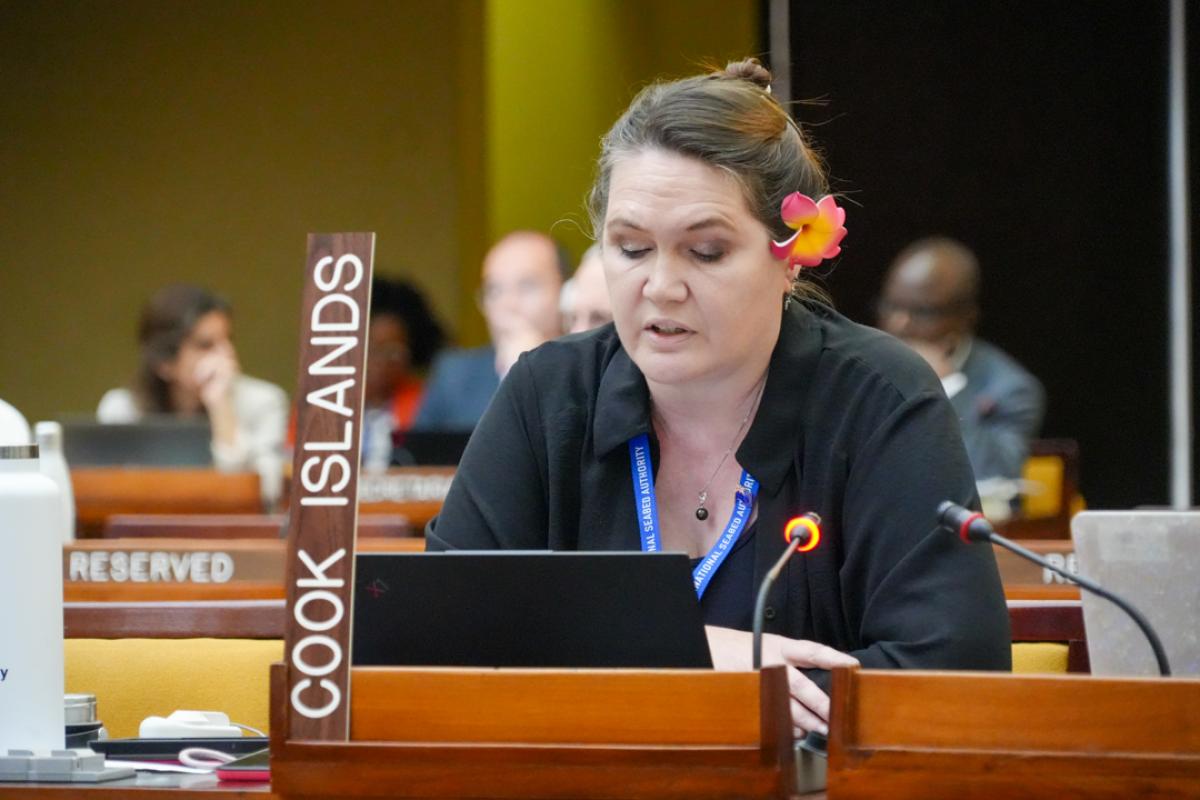
The EPC exists on paper but is not yet functional, and its duties are currently being handled by the Legal and Technical Commission (LTC). At the start of the second week of the ISA Council’s 30th session in Kingston, views split over whether the EPC should be activated now.
“Many delegations supported its operationalisation before approval of the first exploitation plan of work, highlighting the need to safeguard the interests of developing countries, particularly land-based mining states.”
Others argued it was too early, citing financial concerns.
“Other delegates, however, considered it premature to adopt the decision and operationalise the EPC, calling instead for additional time for consultations, supported by a detailed cost assessment undertaken by the Finance Committee.”
ISA Secretary-General Leticia Carvalho presented several reports, including updates on contractor compliance, national legislation, and exploration contract reviews. She also reported on EPC progress and Council member credentials.
The Council agreed to further discussions on the EPC through a Friends of the President group.
Eden Charles, Interim Director-General of the Enterprise, also addressed the Council, noting partnerships like one with the British Institute of International and Comparative Law and highlighting staff development through legal training.
Council members praised his work and supported the proposed managerial structure for when the Enterprise becomes fully independent.
Two decisions were approved, allowing the French Research Institute for Exploitation of the Sea and the Polish government to delay relinquishing certain exploration areas, as recommended by the LTC.
On the draft regulations for deep-sea mining, discussions continued over inspection rules—specifically whether unannounced inspections should be allowed.
“Some pointed to the logistical challenges of having unannounced inspections in the high sea while others highlighted their key role in having a robust and credible inspection regime in place.”.