By Charley Piringi
The Rennell landowners are questioning the government again about the status of their royalty payments for the 33 bauxite shipments worth millions and their compensation claims for the Kangava Bay oil spill in 2018.
Furthermore, Penrose Palmer, a Land Acquisition Officer who falsified documents for land acquired for mining on Rennell Island in 2015 was identified as the root cause of the West Rennell “Mess.” He was found guilty of office corruption and only fined $600(US$72).
These issues highlight how weak outdated legislation allows investors to exploit the system, leaving landowners and the environment at a disadvantage.
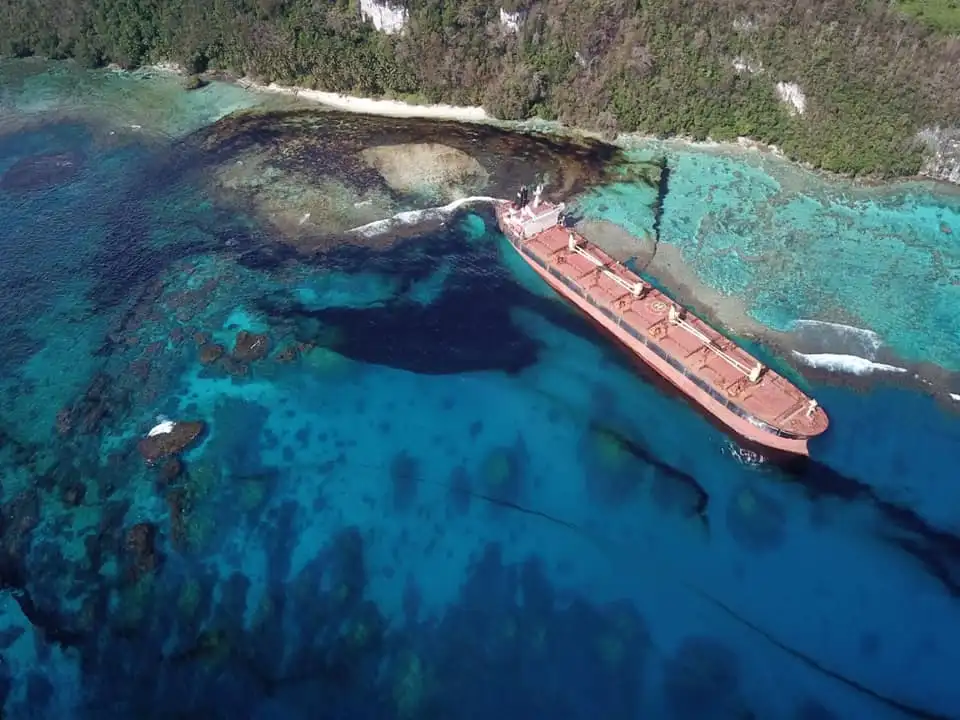
Currently, the country’s mining industry is operating under an outdated piece of legislation with many loopholes that investors have used to their advantage. It is the ‘Mines and Mineral Act 1990’.
Two weeks ago, the final consultation for the new Mineral Resources Bill 2023, which aimed to repeal the existing Mines and Mineral Act 1990, concluded with demands for further consultations on the bill.
But for the Manele-led GNUT government, the ‘Mineral Resources Bill 2023’ is an immediate task before them. It’s in its 100-day policy launched in Honiara today.
“Several legislations are ready to come before Parliament, these Bills include the Value Added Tax Bill, Special Economic Zone Bill, Mineral Resources Bill, Forestry Bill, and others,” Prime Minister Manele said recently.
In Parliament, former Prime Minister, the current Finance Minister Manasseh Sogavare confirmed that the country has over the years lost its revenue from mining companies operating in the country.
“The number of mining licenses has increased recently….But income tax, we never collected revenue from mining companies, also Foreign employers/companies tax are exempted, they left with a good amount of revenue we should have been collecting.”
But Director of Mines Krista Tatapu in an interview with In-depth Solomons during the consultations said “The time-frame for the bill for us is immediate. After this consultation, we will gather all the recommendations before our task force. The Government caucus and cabinet will further deliberate on it before sending it to parliament.”
The consultation was inundated with rigorously heated debates and disappointments by resource owners, demanding further review and consultation on the bill before it’s tabled in parliament.
Among the many recommendations made during the consultation is the removal of the powers vested in the Minister of Mines in the existing Act as well as the draft bill.
Mines and Mineral Board member and Central Bank Governor Dr Luke Forau said, “My concern is that the governance of the sector must be done properly, not in haste, especially the consultation.”
A landowner from Rennel Richie Pautangata said the Solomon Islands must learn from Rennel Mining’s sad legacy.
He lamented the unpaid 33 bauxite shipments made from Rennell and called on the government to push for Asia Pacific Investment Development Ltd (APID), and its then contractor Bintang Mining Solomon Islands Ltd to pay for their mess.
Despite heavy criticism and demands for further and wider consultations of the bill, this last week, the Deputy Prime Minister and Minister of Mines, Energy and Rural Electrification Bradley Tovosia told the local media that the bill has to go before parliament within 100 days.
“We had a very good workshop last week,” Tovosia said. “The participants have raised their concerns and the officials have taken note of every concern,” he added.
“Then we will bring it down to the cabinet as soon as they summarise the workshop’s outcomes and concerns raised. So the bill will be done within 100 days as well.”
Meanwhile, Green Party President and environmental activist Lawrence Makili said there’s a need to remove the powers vested in the minister to overrule the Mines and Minerals Board decisions.
“As with the current act, the new bill still allows the minister of mines to overrule any decision made by the mines and minerals board,” Makili said.
“The minister knows nothing about mining, so why is so much power given to him? He is not a technical person,” he added.
“This bill should not be rushed for the GNUT’s 100-day policy. It is an important piece of legislation that will affect the lives of Solomon Islanders for many years and generations to come.
“We must be more serious about this rather than just to fulfill investors’ obligations. Whose interest is this rush for?”
The Glittering Promise
The Solomon Islands is a nation rich in culture, biodiversity, and natural resources. Among its most significant resources are minerals, which have attracted mining companies within the Asia Pacific region eager to tap into the country’s promised wealth.
However, the mining industry in the Solomon Islands presents a complex narrative—one of economic promise marred by corruption, environmental degradation, and societal issues.
In June 2020, the Sogavare-led DCGA government announced a policy to fast-track mining activities in the country to bridge the revenue gap caused by the COVID-19 pandemic.
The identified potential mining sites include Guadalcanal, Isabel, Choiseul, Malaita, and Temotu Provinces.
A policy that local geologist and former director of the Ministry for Mines, Energy and Rural Electrification Nicholas Biliki described as “An excuse to waive processes”.
“The government is using the COVID pandemic as an excuse to waive processes and requirements for new mining ventures, many of which were backed by companies with little to no experience in the sector,” Biliki said.
The rush, he adds, is because there is an estimated $59 billion (US$7 billion) worth of minerals “ready to be exploited in the next one or two years in this country.”
Mining has been seen as a key driver of economic growth for the Solomon Islands, especially as the logging industry which is projected to decline by 6 percent in 2024, as the key revenue earner phases out.
Just like logging, the mining industry promises job creation, infrastructure development, and substantial revenue for the government and its people.
In recent years, mining activities have contributed significantly to the nation’s GDP, with major projects focusing on gold, nickel, and bauxite extraction.
The Central Bank of Solomon Islands (CBSI) Governor Dr. Luke Forau stated, “Logging is a ‘Sunset Industry’.”
“It’s phasing out despite being still the highest revenue earner for the country. It did drop significantly over the years.”
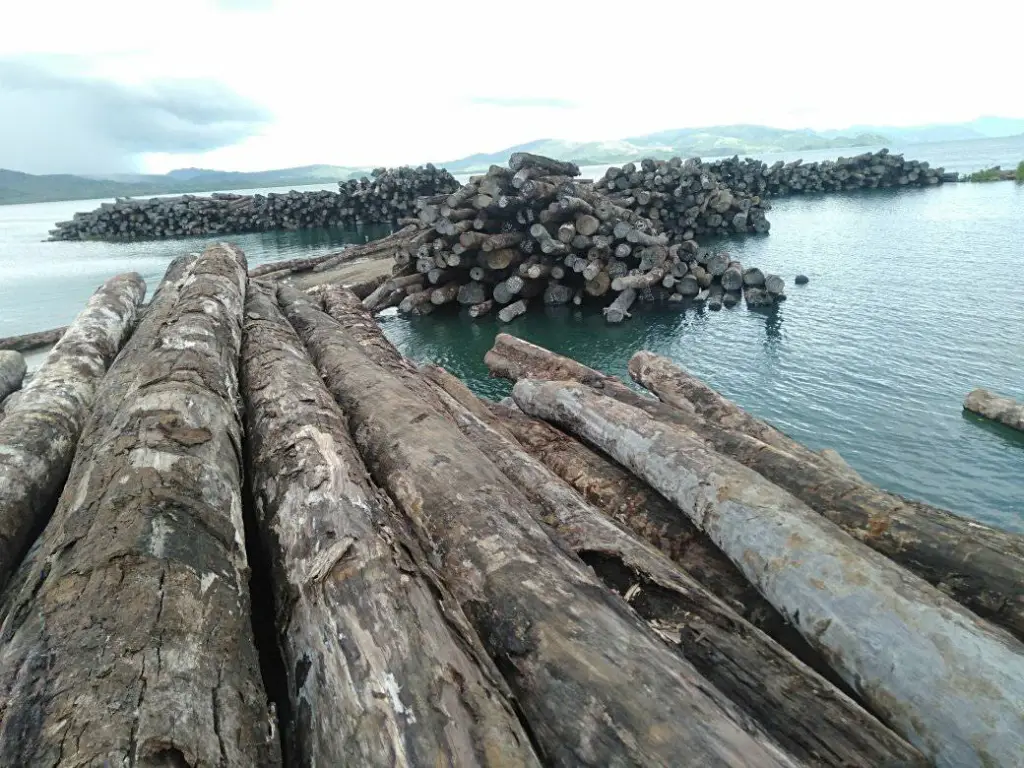
He said the potential of mining as the future industry for the Solomon Islands, needs proper governance to avoid repeating the mistakes made in the logging sector.
“This new bill must be done properly so that when we exploit our resources, we get good returns for all parties involved,” Forau added.
“What we don’t want to see is people being left out without benefiting from their resources. The government must ensure resource owners receive maximum benefit.”
In communities near mining sites, the influx of mining operations has promised improved roads, schools, and clinics, improving the standard of living for many.
Employment opportunities in mining have provided local workers with skills and income that were previously inaccessible. For a country where economic opportunities are scarce, these benefits are tangible and significant.
The CBSI Annual Report 2023 showed that the mineral, fishing sectors, and the declining logging sector made up 4 percent of GDP growth in 2023, though it is expected to drop by 2.9 percent this year.
Gold Ridge Mining (GRML), currently operated by the Chinese firm Wnguo Mining International, anticipates generating more than SBD$1.6 billion(US$192 million) since it started operations in late 2022.
This mine, the first gold mine in the country, is currently the biggest mining company in the Solomon Islands.
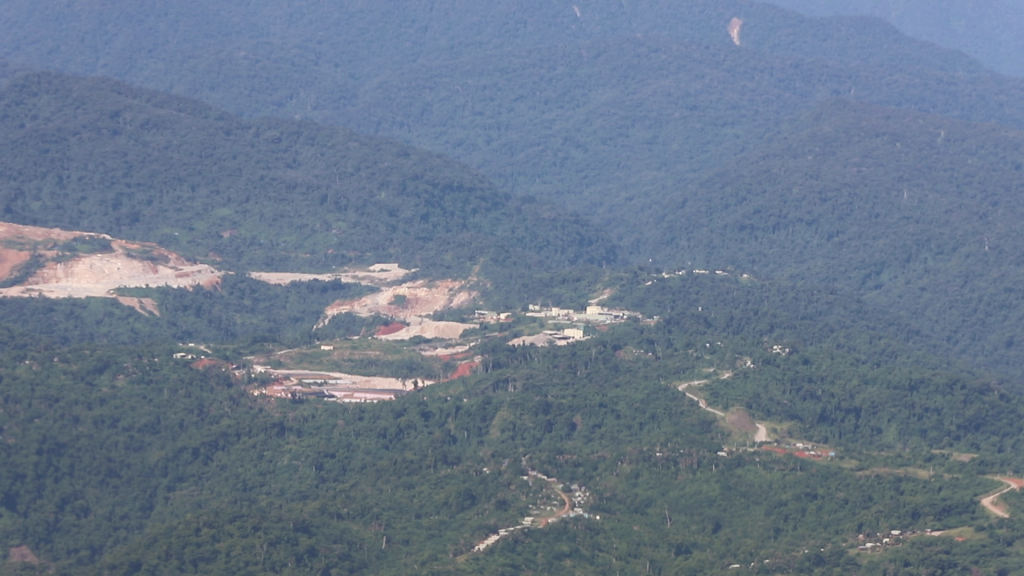
Win-Win Aluvial Mining claimed to have benefitted Turarana resource owners and the government by generating more than SBD10 million in tax and royalties.
However, not all mining ventures have been successful. The Win-Win Mining company was recently suspended from the Turanarana Tenement in Central Guadalcanal.
Its suspension early last month has left resource owners, questioning the government and the company as to when their promised Community Development Agreement (CDA) be implemented.
Turarana elder, Joel Jackson said, “Win-Win Company has failed to live up to its name. We never win.” In its response, Win-win refuted the report.
In Santa Isabel, the government estimates that mining operations could contribute $260 million to the economy through taxes, wages, and royalties, yet a refutable mining firm, Sumitomo Mining Ltd left Isabel after years of exploration and court battles.
Solomon Islands Resources Company Ltd owned by Win Win Director Dan Shi and Pacific Nickel have recently stepped in to carry out mining operations in Isabel.
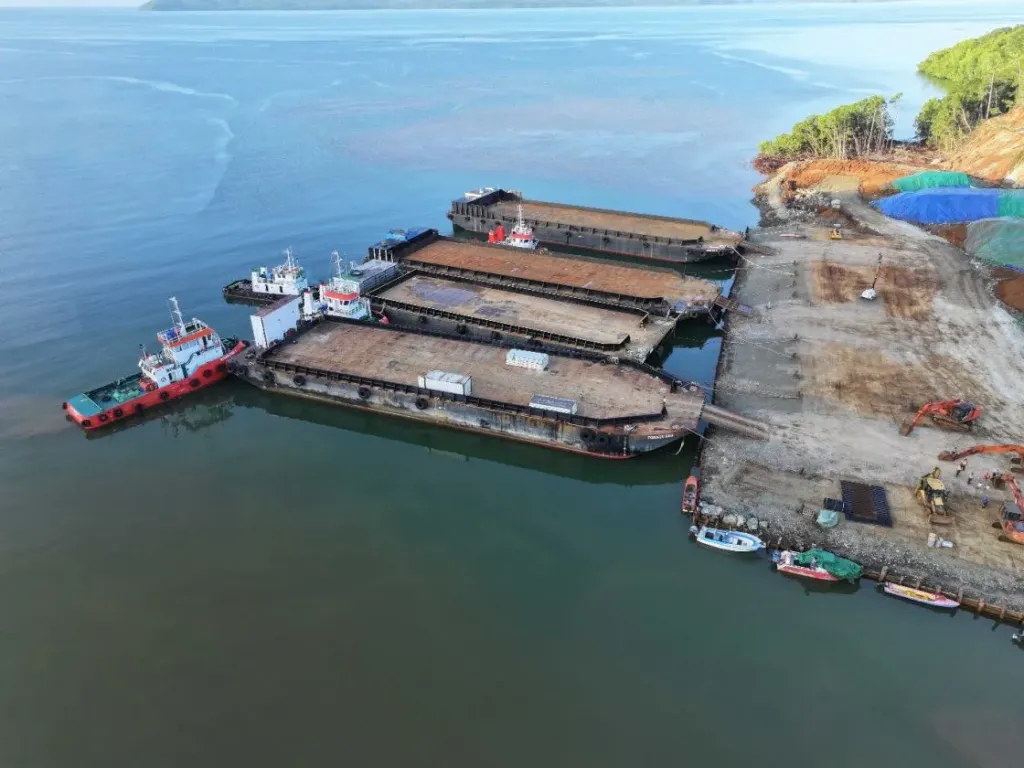
The two companies have exported nickel shipments since last year, without paying royalties frustrating resource owners and raising questions about the national government’s “Mining Fast Tracking” policy.
Isabel resource owner, Ethel Wokia said, “We are still waiting for our payments since last year. We have 3 shipments from Suma Tenament and 3 shipments from Kolosori Tenament.”
But Mines Director Krista Tatapu assured resource owners that their payments have been made, and are currently pending at the Central Bank.
“We have received the payments now pending at the Central Bank.
“We have to settle administrative issues between resource owners’ disputes before directing the CBSI to release the funds.
“The Attorney General’s chambers will advise us on how to deal with this issue.”
In Temotu Province, controversy surrounds the issuance of a prospecting license to Santa Mining, despite a High Court decision quashing the license earlier in 2019.
Santa Cruz resource owner Mathias Meabir criticized the fast-tracking policy, stating, “We must be serious about mining activities here. Your policy of ‘Fast-tracking’ mining activities is a hoax. It’s not serving people’s interest!”
Another proposed fast-tracking site is Choiseul Province, where a well-known Filipino logger and former board chairman of the Solomon Islands Ports Authority, Johnny Lee Sy has turned from logging to mining.
He registered his company, Solomon Islands Mining Company Ltd in August 2017.
Sy, the current President of the Solomon Islands Resources Association (SFA), attempted to enter Choiseul province but came with resistance from resource owners.
There are also miners eying the Western Province for mineral exploration.
This glittering promise and “Fast-tracking Policy’ keeps giving false hope to resource owners,” said Environmental Activist Lawrence Makili.
The Dark Side and the Sad Legacy of Rennell Bauxite Mining
Despite the economic benefits, the mining industry in the Solomon Islands is rife with corruption and malpractice.
Allegations of bribery and collusion between government officials and mining companies are common.
The regulatory framework meant to oversee mining operations is often undermined by officials who prioritize personal gain over public interest.
Former mines chief Biliki described the Rennell Bauxite mining as a “Mess“.
He stated during the consultation two weeks ago, “The Rennell Mining case is a sad legacy. It’s in a Mess.”
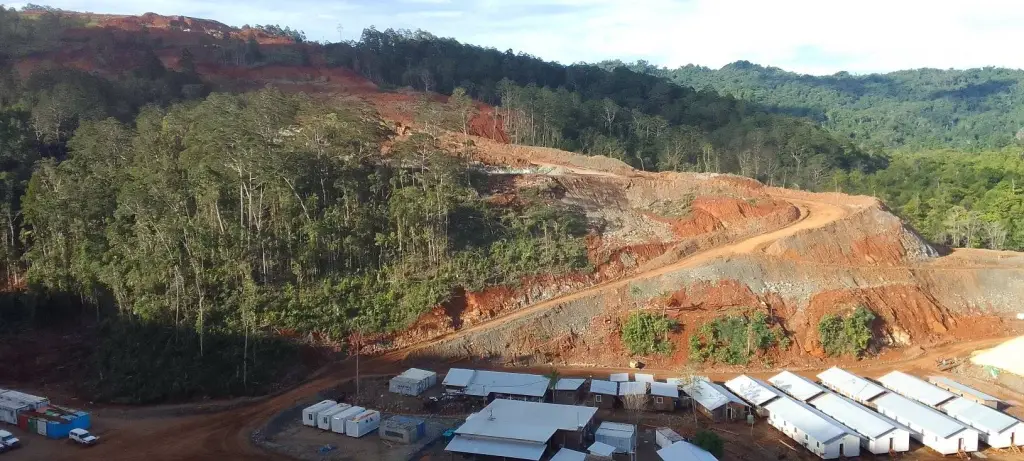
As the director who worked through the APID/BMSI Mining operations in Rennell from 2016 to 2021, Biliki canceled the Mining lease for the West Rennell Mining tenement, emphasizing that both resource owners and the government were losers in this venture.
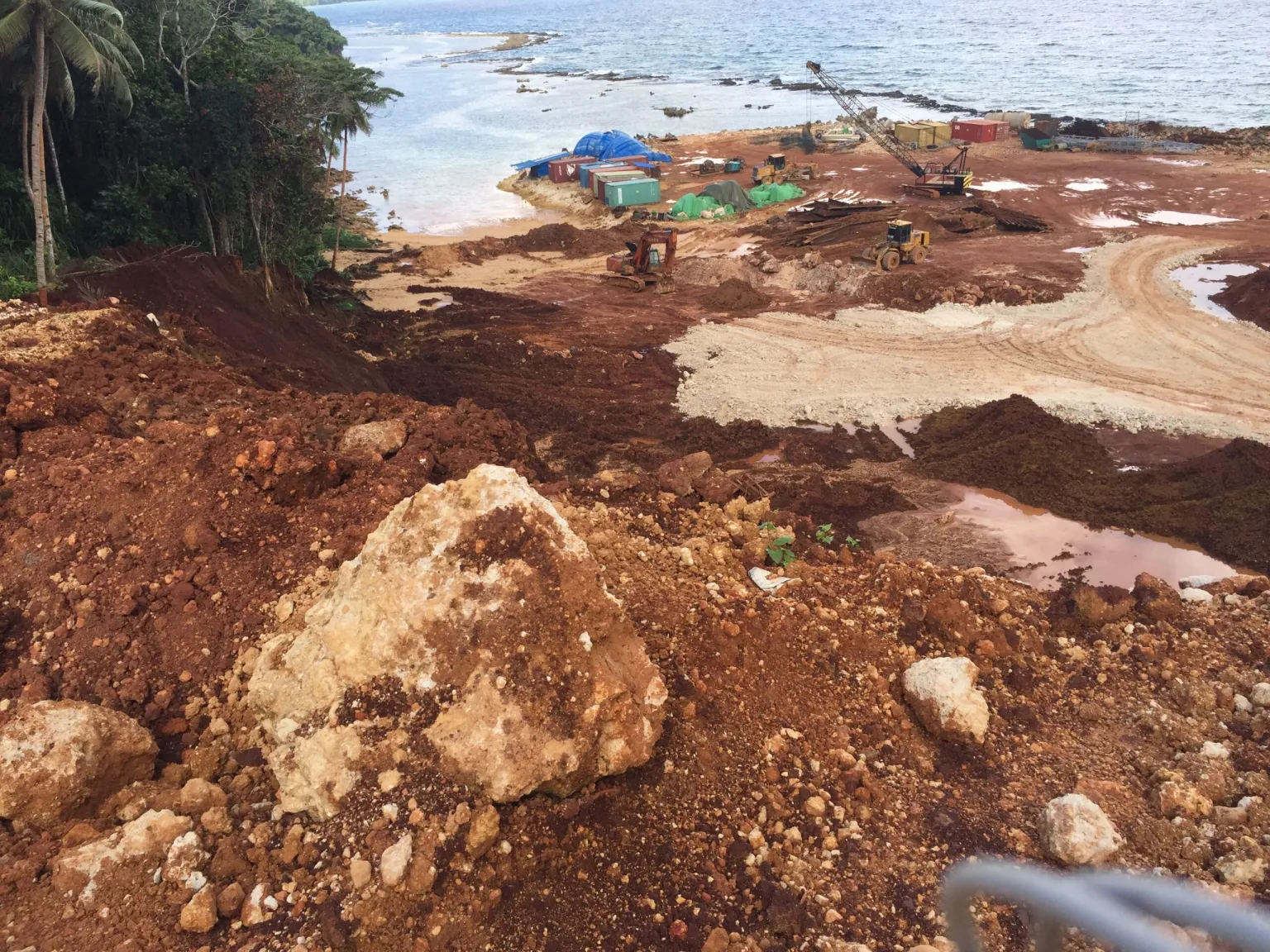
“We lost 33 shipments worth roughly SBD80 million with environmental damage done there is beyond repair,” he said.
Meanwhile, Pautangata sternly warned the Solomon Islands Government to track down APID/BMSI owners to ensure they pay for their mess.
“I call on the government to be more serious about addressing our issues.
“One of which is to address the issue of the new mining bill to ensure it is done to benefit resource owners.
“We West Rennell resource owners are still waiting for the government to ensure our payments are made for the lost 33 shipments and compensation from the oil spill in Kangava Bay.”
Mines director Tatapu acknowledged the issues, stating, “It’s a sad legacy for the country. It’s a challenging case we still trying to address.
“Following the cancellation of the APID/BMSI lease in 2021, BMSI went into liquidation, and APID fell apart.
“The government is still discussing this with the Attorney General’s chamber on how to approach the case.”
Tatapu admitted that the government lacks an environmental bond with APID, which no longer exists, leaving the country with no clear way to address the rehabilitation needs of West Rennell.
The Rennell Mining Lease was granted by former Minister for Mines, Moses Garu, and his then Director, the late Peter Auga, while the Lilo-led CNURA government was in caretaker mode.
Former prime minister and current MP for Central Honiara Gordon Darcy Lilo confirmed this.
“That was granted when we were in caretaker mode.
“But we stand at 20 percent tariffs for the mineral to the government. Not until the new government came, they reduced that to zero. They gave them tax exemption, and that’s where the problem lies.”
Rennell landowners lost not only their minerals but also their land, which was illegally registered and owned by APID after the Registrar of Titles Penrose Palmer falsified land acquisition documents.
While Palmer faced justice, the rest of the government officials dealing with the granting of prospecting licenses and mining leases to West Rennel Tenament remain at large.
However, recently a new mining firm Nickel Exploration Solomon Islands Ltd (NESI) was granted licence to operate on Rennell.
But landowners claimed NESI is just BMSI in disguise. “NESI is owned by the former BMSI boss Fred Tang,” Pautangata stated.
Transitioning from logging to mining
With the phasing out of the logging industry, many loggers have turned to mine.
The controversial APID, originally a logging company operating in West Rennell, transitioned to mining and illegally acquired the West Rennell tenement and was given the licence to mine the island..
Other logging companies, and even shipping companies, followed suit. In 2017, the well-known Filipino logger Johnny Sy, registered his company, Solomon Islands Mining Company Ltd, to operate in Choiseul Province.
In 2018, a Chinese fishing company, Solfish Company Ltd, registered Lygsol Makira Mining Ltd to do exploration on Makira Island.
“They forced chiefs and resource owners to sign up their land under duress for only SBD$500,” said Nemus Marau of Makira Province.
The Environmental Cost
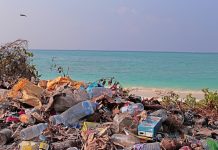
The environmental impacts of mining in the Solomon Islands are profound.
Mining activities have led to significant land degradation, deforestation, and loss of biodiversity.
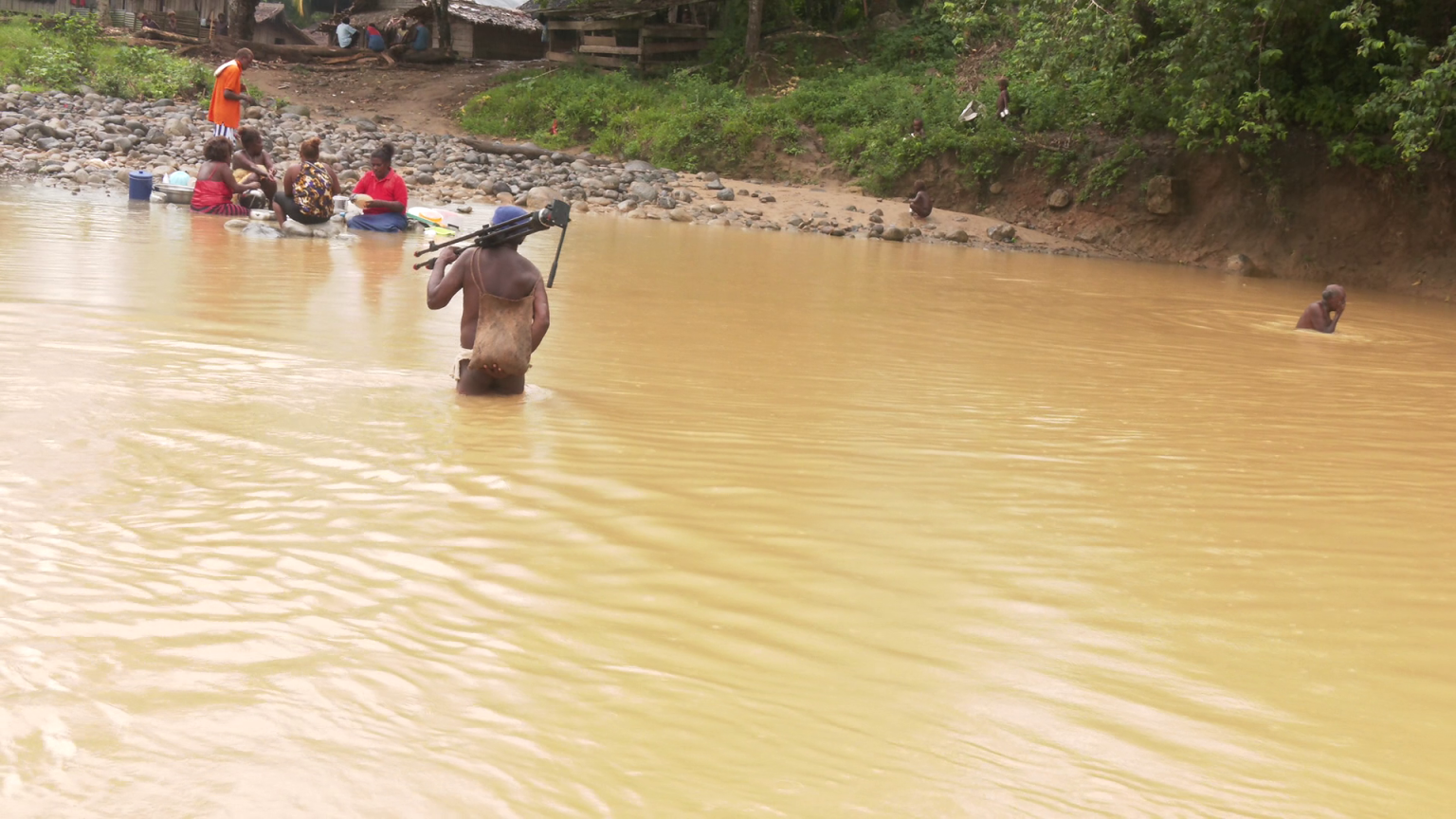
Rivers and water bodies, once pristine, are now contaminated with toxic runoffs from mining sites, affecting both aquatic life and the communities that depend on these water sources.
A classic example is the Gold Ridge mine, where inadequate waste management has resulted in the pollution of nearby rivers, threatening the health and livelihoods of local populations.
Despite efforts by some companies to implement environmental management plans, enforcement remains weak, and the damage continues unabated.
During the recent consultation, Metapona downstream communities expressed serious concerns about the environmental impact the upstream operations are having on them.
The head of the Metapona River is the Gold Ridge and Win-Win Mining Operations.
Chief Samuel Basoe of Metapona recently handed over a document of claims to the Ministry of Mines Director, Krista Tatapu, demanding SBD$14 million (US$1.68 million) in compensation for property loss and damage caused by upstream mining operations.
“The valuation was done by the Ministry of Environment and the Ministry of Agriculture.
“It’s been a decade now, and we are still waiting for our payment. Our river system, which we depend on for our livelihood, has been poisoned. We need our payments now!
“We still do not believe the tailing dam is safe. Now the current operations are using a ‘heap leaching process’ which we do not know how safe it is.”
Impact on social norms
The societal impact of mining extends beyond environmental degradation.
Traditional livelihoods such as farming and fishing are disrupted, leading to resource depletion and threats to community ways of life.
Social dynamics change, often leading to conflict, increased violence, and health issues. Communities near mining sites report higher rates of teenage pregnancy, sexually transmitted infections, and related social problems.
While the narrative is predominantly negative, there are instances of responsible mining management.
Community agreements and benefit-sharing mechanisms have led to more equitable outcomes in some regions.
However, the failures, such as those in Turarana and Rennell, serve as cautionary tales of weak regulatory oversight and lack of corporate accountability.
Addressing these challenges requires a multi-faceted approach. Strengthening the regulatory framework and ensuring strict enforcement of environmental and safety standards is crucial.
After last week’s consultations, resource owners agreed, “The new Mineral Resources Bill 2023 must not be rushed and should involve extensive consultations with resource owners.
Anti-corruption measures are essential to restore public trust and ensure mining benefits the broader population.”
Engaging local communities in decision-making processes and ensuring they receive a fair share of economic benefits is vital.
Transparency and accountability from resource owners, government officials, and mining companies will foster a more equitable and sustainable industry.
Historical Overview of Mining in the Solomon Islands
According to the national archives documents and the Solomon Islands Historical Encyclopaedia 1893-1978, mining in the Solomon Islands traces back to the sixteenth century when Alvaro de Mendãna took an expedition, in pursuit of King Solomon’s fabled wealth to the Pacific Ocean.
He stumbled upon traces of gold on Guadalcanal. This marked the beginning of European interest in the region’s mineral wealth.
Throughout the nineteenth century, mineral exploration expanded around New Guinea and the Islands of Melanesia.
In 1897, a San Francisco company explored Marou Bay on Makira for gold and copper, finding small amounts of silver. They also sought a rumored copper cliff on Rennell Island, obtaining the Protectorate’s first prospecting license.
By the 1900s, another expedition prospected for copper on Rendova Island. The discovery of gold in Northwest New Georgia in July 1929 led to the issuance of eighty Miner’s Rights and eight Prospecting Licenses, despite the lack of proven payable quantities. Extensive geological surveys began in the 1950s, laying the groundwork for more structured exploration.
British Protectorate Resident Commissioner Woodford discovered small coal deposits at Guadalcanal’s Ithina River mouth in 1896. Subsequent mineral samples from the island revealed high quantities of gold and copper, encouraging further prospecting.
In 1930-1931, botanist S. F. Kajewski from the University of Queensland discovered payable quantities of gold, attracting small-scale prospectors to the Tsarivonga and Chovohio rivers, Gold Ridge, and later the Sutakiki River.
In the late 1930s, efforts to involve Queensland mining magnate E.T. Theodore in a Guadalcanal mine were unsuccessful. However, in 1941, Theodore launched Solomons Gold Exploration Ltd. obtaining a prospecting agreement over one-third of Guadalcanal. These operations were halted by World War II. Post-war, small-scale alluvial mining continued, with Theodore’s company withdrawing in 1946. By the late 1940s, Australia’s Broken Hill Pty. Ltd. and other entities explored the Gold Ridge area, although substantial operations did not commence.
In 1952, Bulolo Gold Dredging Co. from New Guinea drilled the Balasuna Syndicate’s lease in the Chovohio Valley but withdrew due to labor issues. Anglo-Oriental (Malaya) Ltd. and other companies also searched for gold on Guadalcanal and Malaita, discovering a new gold-bearing lode at Gold Ridge in 1955. This led to further development by Clutha Development Co., which trained Solomon Islanders for mining operations.
Oil Search Ltd. of Australia conducted preliminary surveys in the 1960s, revealing a concealed structure extending the known gold-producing area. Despite these promising findings, significant capital investment remained elusive. By the 1970s, the Protectorate Government leased the Gold Ridge prospect to CRA Exploration Ltd., confirming the economic viability of open-cut mining, though large deposits were never confirmed.
Gold Ridge experienced a series of ownership changes in the 1980s and 1990s. The mine finally began gold production in the late 1990s, only to halt during the ‘Crisis’ years from 1998 to 2003. It slowly resumed operations between 2010 and 2011, reflecting the turbulent nature of mining ventures in the Solomon Islands.
After St. Barbra left following the 2014 flash floods, Gold Ridge Community Investment Limited (GCIL) signed an agreement with Wngou International, a Chinese Mining firm to carry out mining in Gold Ridge, the largest mining operation in the country.
Prospecting for nickel began on Isabel Island in 1965, with International Nickel (Southern Exploration) Ltd. shipping a trail consignment of 50 tons of ore to Canada in 1966. The company received a prospecting license covering extensive areas on the Isabel and San Jorge Islands.
Manganese deposits were identified on Isabel, in the Nggela Islands, and on Makira. Copper exploration in the Koloula Valley on Guadalcanal began in 1960, with Japan’s Mitsui Mining and Smelting Co. investigating these deposits by 1968.
The quest for bauxite saw an Australian company apply for a license in Santa Cruz in 1968. Mitsui Mining and Smelting Co. also began prospecting on Rennell Island in 1969. Additionally, the British Phosphate Commissioners explored high-grade phosphate deposits on Bellona Island in 1960.
The history of mining in the Solomon Islands is rich with exploration and the promise of wealth, driven by both local and international interests. From the early days of gold discoveries on Guadalcanal to modern operations at Gold Ridge and parts of the country, the sector has seen both success and significant challenges.
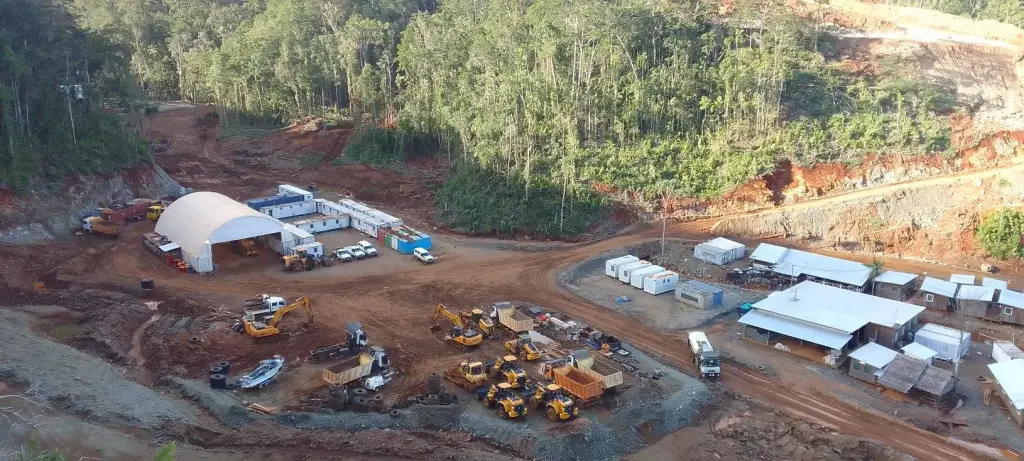
The story of mining in the Solomon Islands is one of contrasts—economic potential intertwined with corruption, environmental degradation, and social upheaval.
Lawrence Makili said:“For the industry to truly benefit the nation, a concerted effort to address these issues is required.
“The only venue is through the Mineral Resources Bill 2023, now requested for wider consultation and must not be rushed.
“Only then can the Solomon Islands harness its mineral wealth in a way that supports sustainable development and improves the lives of all its citizens.”